Your Position: Home > Products > Road maintenance
Road crack sealant for asphalt crack repair and pavement maintenance

Road Crack Sealant for Durable Asphalt Crack Repair

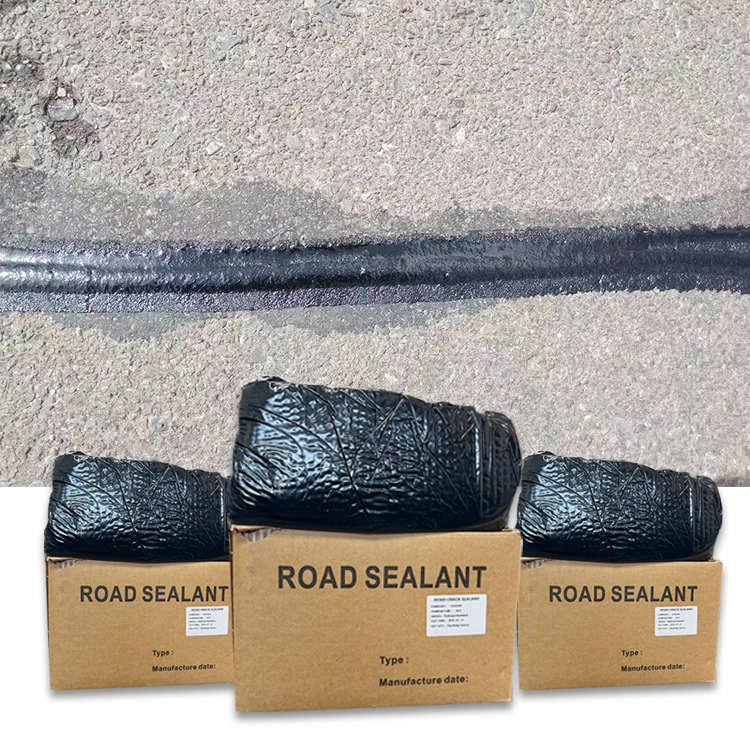
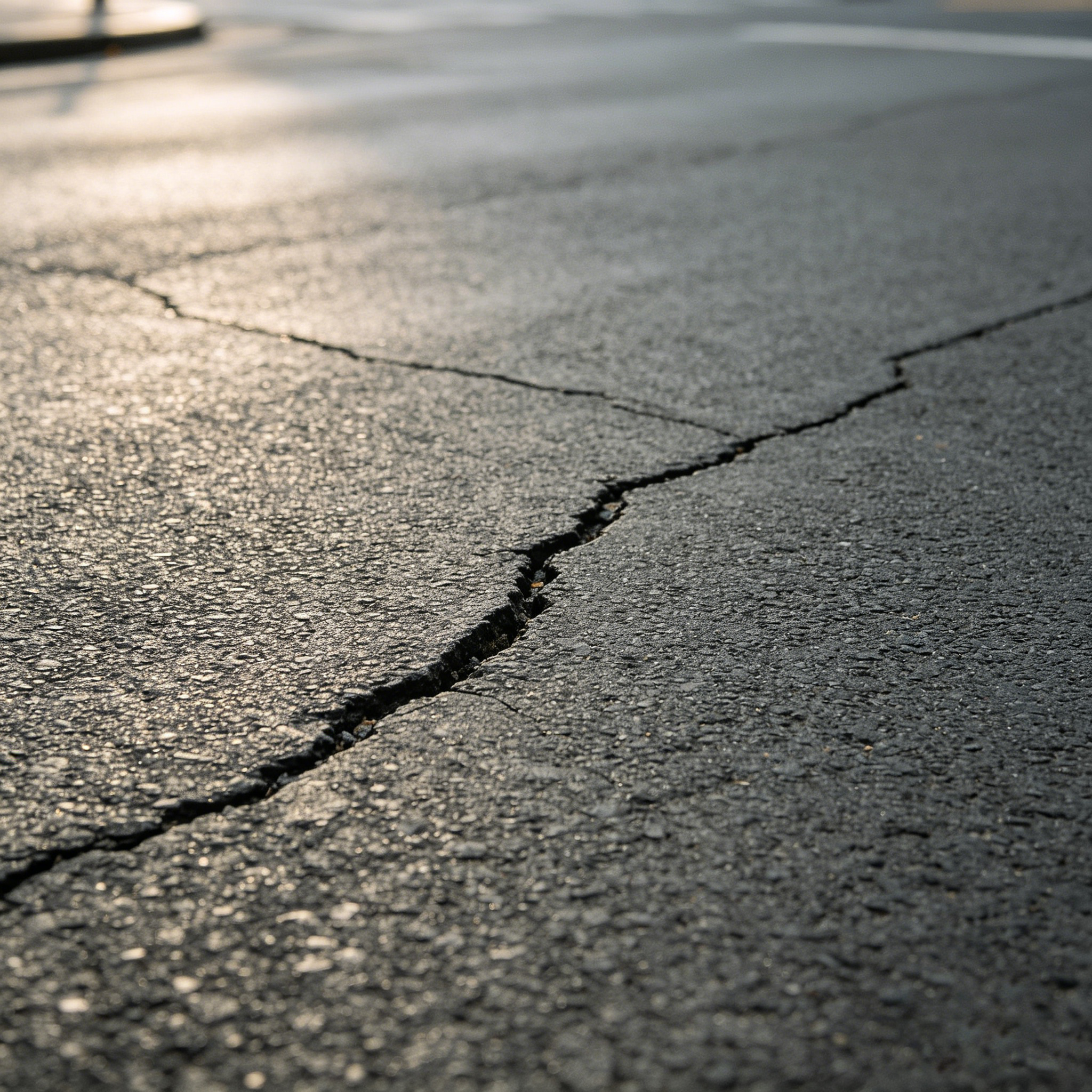
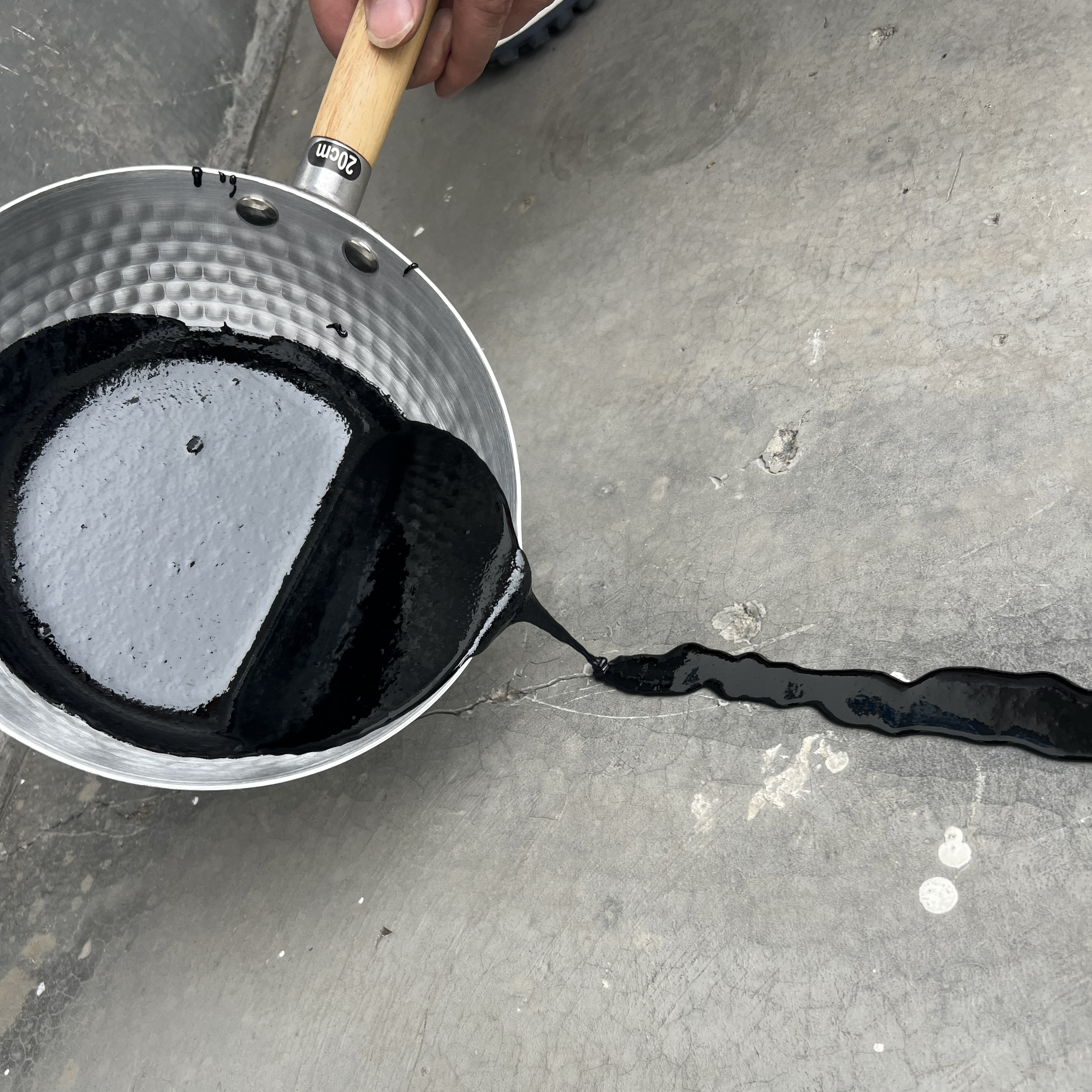
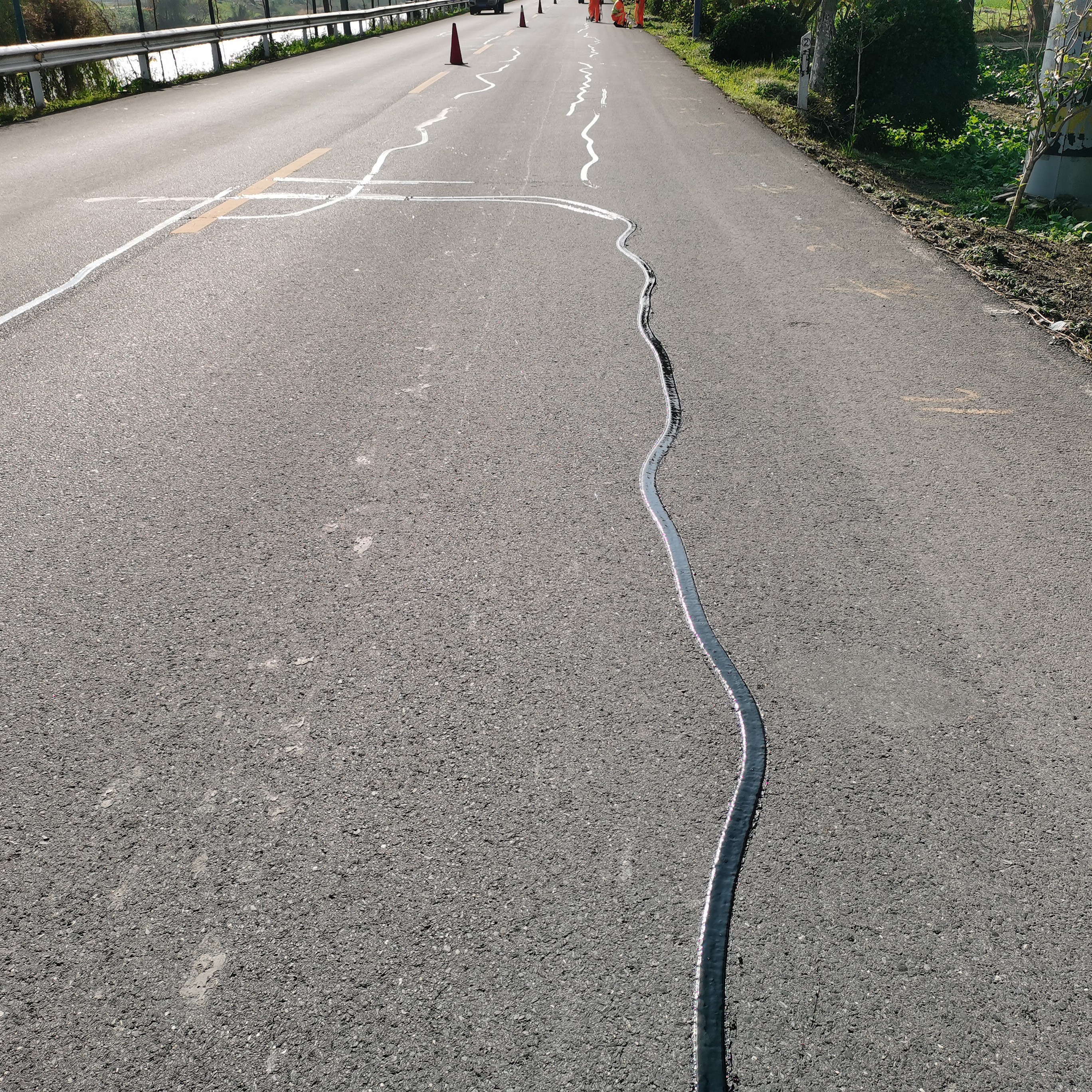
Asphalt road sealant is primarily composed of a composite material of modified asphalt and thermoplastic rubber. Its key performance characteristics are low viscosity at high temperatures and high elasticity at low temperatures. Replacing traditional asphalt crack caulking with sealant for treating asphalt pavement cracks represents a significant advancement in current highway maintenance technology. Traditional methods are limited by asphalt's low-temperature brittleness and high-temperature softening properties, resulting in cracks quickly reopening after repair. This problem increases the labor and material costs of pavement maintenance. However, sealant crack caulking overcomes these shortcomings in terms of material performance.
Place of Origin: Henan, China
Brand Name: SANAISI
Raw materials: Rubber powder, polymer-modified asphalt
Usage: Road repair,Asphalt pavement cracks,Concrete pavement joints,Highways,Municipal roads,Airport runways,Parking lots and so on.
Operating Temperature: 170°C–200°C
Introduction
Parameters
Features
Detail Display
Related
Faq
Inquiry
Introduction
What Is Road Sealant?
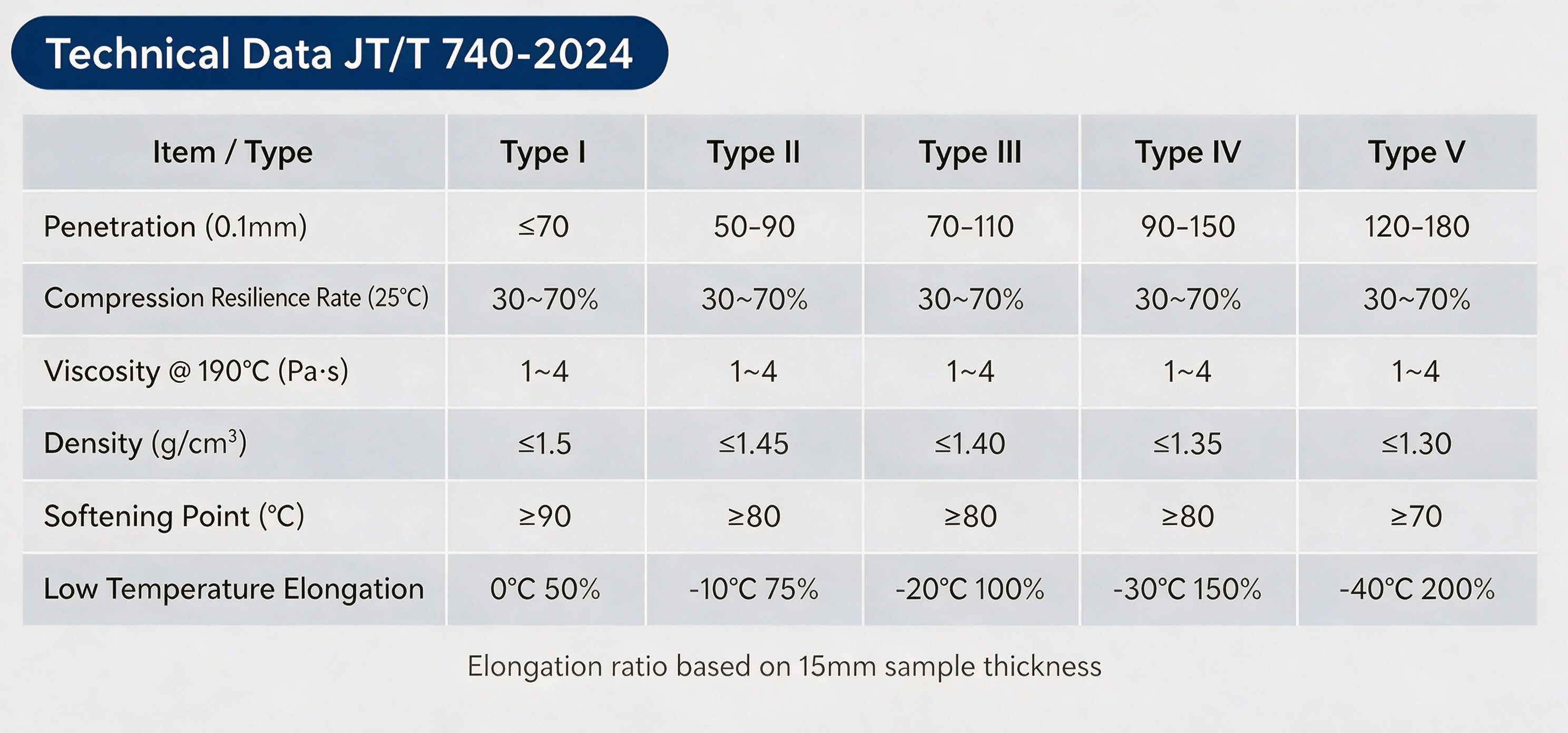
Based on the ambient temperature differences in the area of use, road sealants are classified into cold and low-temperature types, temperate types, and hot and high-temperature types. According to national standard classifications, road sealants can be divided into high-temperature, ordinary, low-temperature, cold, and severe cold types. Based on the heating method, road sealants can be divided into direct heating and indirect heating types. Road sealants melt quickly, have strong adhesion, and exhibit excellent deformation resistance and elastic recovery. Compared to other types of road sealants, Sanaisi Road Sealant has a lower viscosity and easily penetrates various cracks. At a high temperature of 180°C, the liquid road sealant penetrates and fuses with the asphalt pavement. Upon cooling, it develops a strong bond and, relying on its strong elasticity, deforms elastically as the crack expands and contracts, maintaining its sealing effect.

Parameters
Road Sealant Parameters
Raw Materials
Why Choose Our Brand of Road Sealant?


1.Excellent adhesion to asphalt and concrete.


2.Superior flexibility in hot and cold climates.


3.Outstanding waterproof performance.


4.Resistant to aging, UV, and oxidation.


5.Fast melting and easy application.


6.Long-lasting crack sealing performance


7.Reduces maintenance costs and extends pavement life


Detail Display
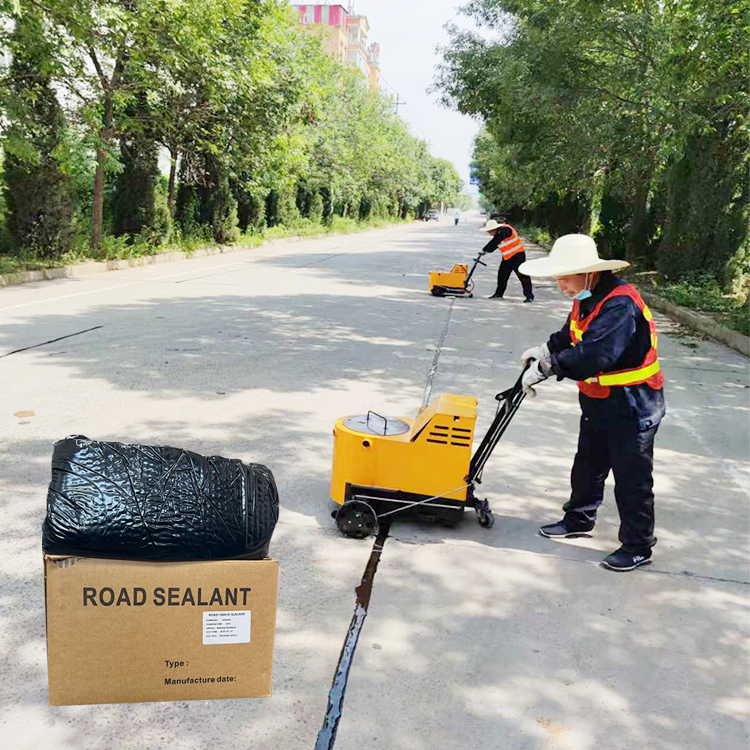
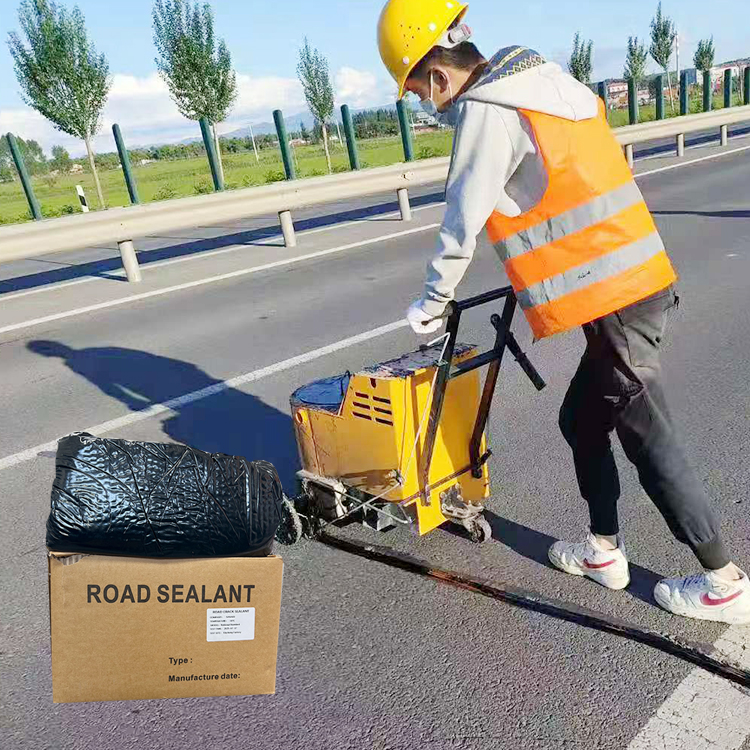
How to Apply Road Crack Sealant?
SANAISI Road Crack Sealant is easy to apply and suitable for various road maintenance projects. With proper surface cleaning and the correct application method, it creates a strong and durable seal that helps prevent water penetration and further pavement damage. Follow the simple steps below to achieve efficient and reliable crack repair.
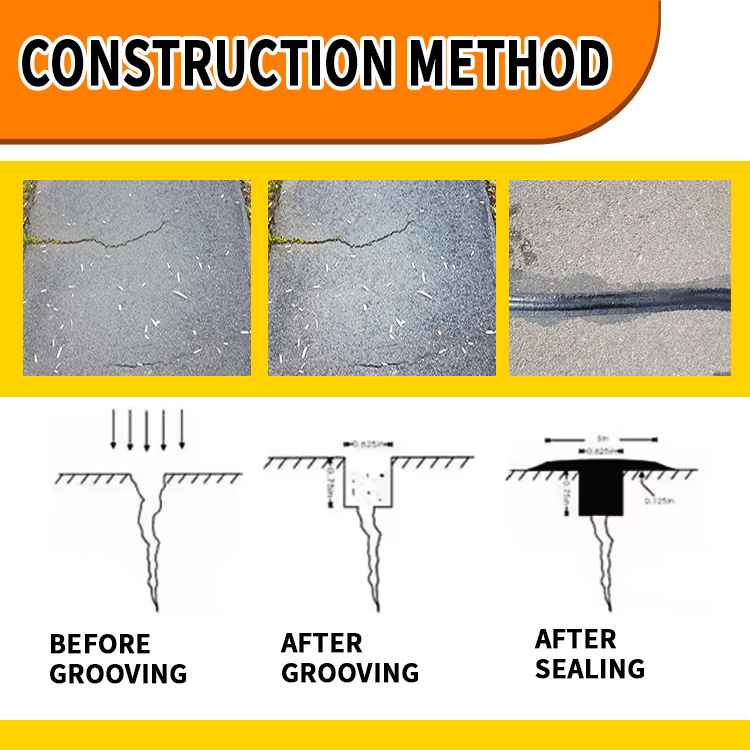
1. Grooving and cleaning
Adjust the width and depth of the grooving machine according to the designed groove dimensions, then proceed with the grooving operation. During construction, adjust the groove dimensions promptly in response to changes in the rock formation to ensure compliance with construction requirements. Use a compressed air gun or a forest fire extinguisher to thoroughly clean dust and debris from the groove and the area at least 5 centimeters on either side of it.
2. Preheating
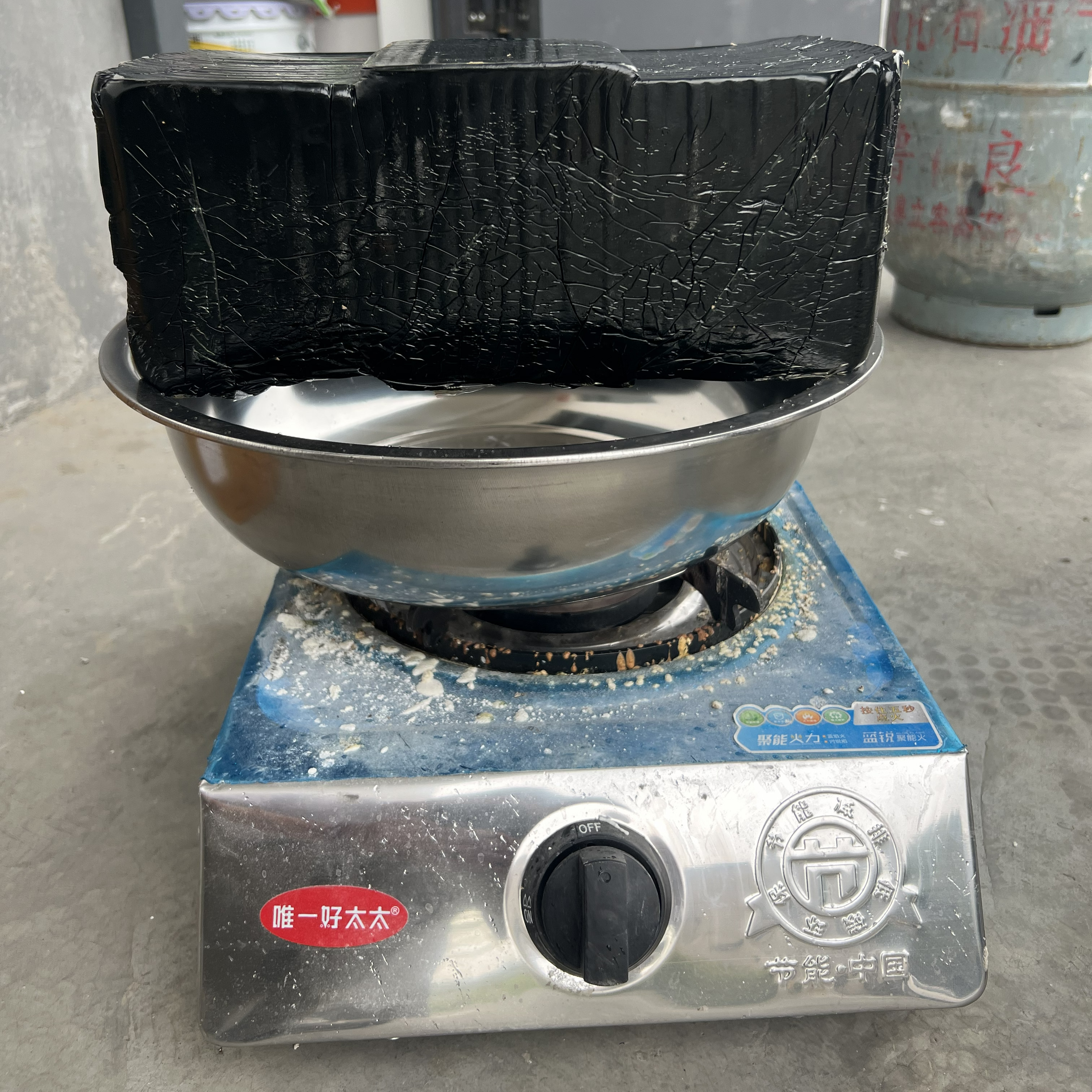
Sealant should be applied when the road surface temperature exceeds 4°C. Using it at low temperatures may reduce its viscosity. Due to excessive moisture in the cracks, if the temperature is below 4°C, appropriate heating methods can be used to ensure that the required minimum is achieved. If sealing is required at temperatures below 4°C, the cracks must be dry, free of water and debris. The sealant temperature should be maintained at a safe heating temperature, and the sealant should be inspected by a professional to ensure its viscosity.
3. Filling seam
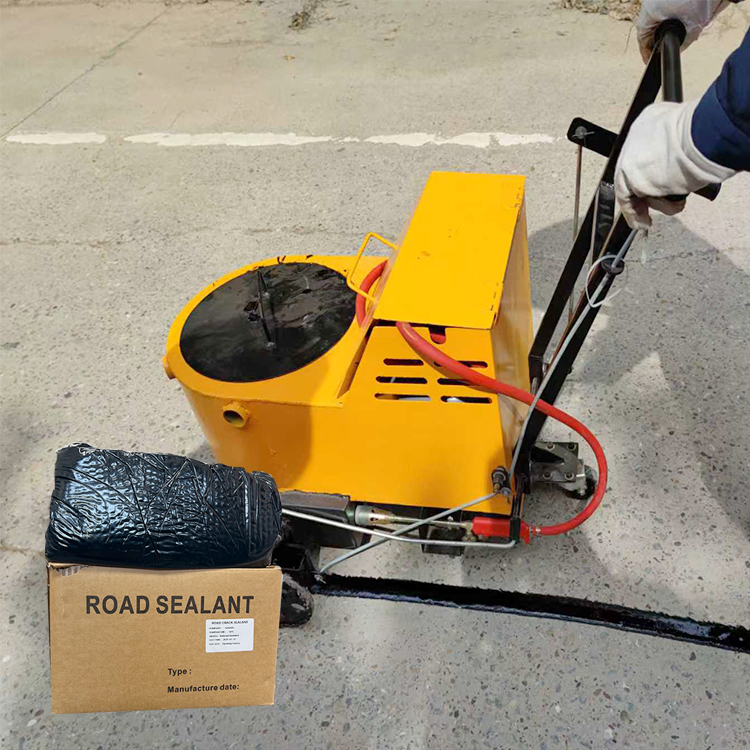
When the sealant reaches 180°C, use a pressure nozzle equipped with a scraper on the caulking terminal to evenly pour the sealant into the groove.
4. Maintenance
After filling the seams with sealant, traffic cannot be opened immediately. Traffic must be opened after the sealant is fully cooled. The general cooling time is about 15 minutes, and the specific implementation can be flexibly controlled according to the temperature and environmental conditions.
Recommended products
Main Products
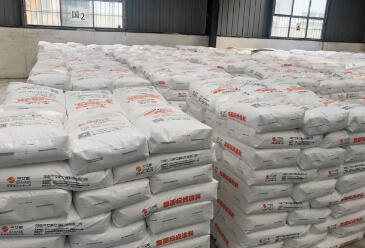
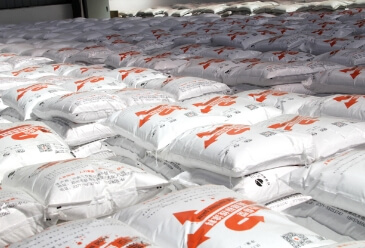
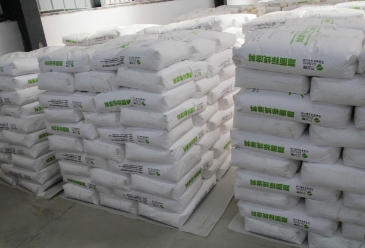
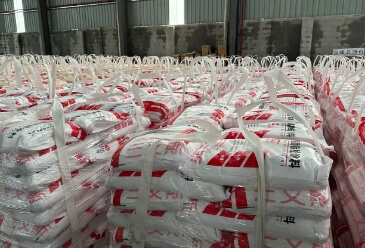
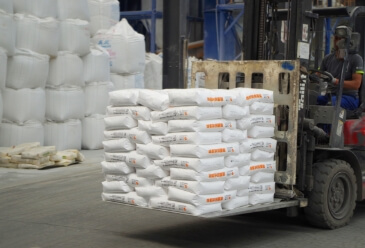
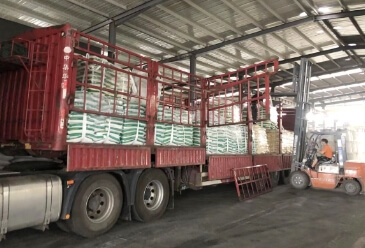
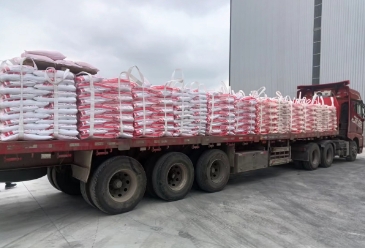
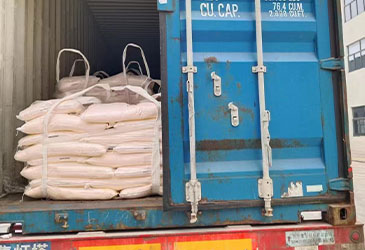
Packing
Packing&Shipping
Packing&Shipping
Packing&Shipping
Packing&Shipping
Packing&Shipping
Packing&Shipping
Packing&Shipping
Packing&Shipping
Packing&Shipping
ONLINE SERVICE
Your Satisfaction Is Our Successe
If you are looking for related products or have any other questions please feel free to contact us.
You can also give us a message below , we will be enthusiastic for your service.
Contact Us
X